Shipping Containers to Africa

Access practical guidance on container selection, African port logistics, freight rates, transit schedules, customs paperwork, Incoterms, cargo protection, and inland delivery planning across key trade corridors.

Start With the Fundamentals Before You Book Freight

Container ship loading at a busy seaport with stacked freight containers and cranes, representing Africa-bound container shipping logistics

Shipping containers to Africa is more than a freight booking step—it is a chain of decisions that shapes cost, timing, and shipment reliability long before cargo reaches the port. From container selection (20ft, 40ft, high cube, reefer, or special equipment) and freight method (FCL vs LCL) to carrier routing, transshipment, port congestion, customs processing, inland haulage, and destination charges, each variable affects the final outcome across African trade corridors. This page helps you plan shipping containers to Africa with clearer context on freight rates, terminal handling charges (THC), demurrage risk, customs documentation, Incoterms, and operational bottlenecks so you can compare options accurately, reduce delays, and make stronger logistics decisions.

What You Can Learn on This Page

  • Choose the right container type for cargo volume, weight, and handling requirements
  • Compare FCL vs LCL shipping based on cost, speed, and cargo risk
  • Review African port variables including congestion, routing, and inland delivery impact
  • Estimate freight costs and hidden fees such as THC, storage, and demurrage
  • Prepare customs documentation and compliance-related paperwork
  • Understand Incoterms for responsibility, cost allocation, and risk transfer
  • Avoid common shipping mistakes that cause delays and budget overruns

Essential Guides for Shipping Containers to Africa

Explore the key planning topics that shape container shipping performance to African destinations, from container selection and freight models to customs documentation, port operations, transit reliability, and total landed cost control.

Shipping Containers to Africa

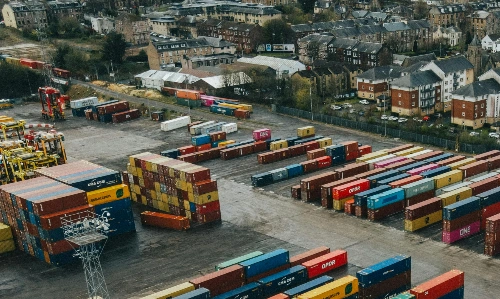
How to Choose the Right Shipping Container for Africa-Bound Cargo

A practical guide to selecting the right container type for African shipments, including 20ft containers, 40ft containers, high cube containers, reefer containers, and special equipment based on cargo volume, weight, and handling requirements.
Shipping Containers to Africa

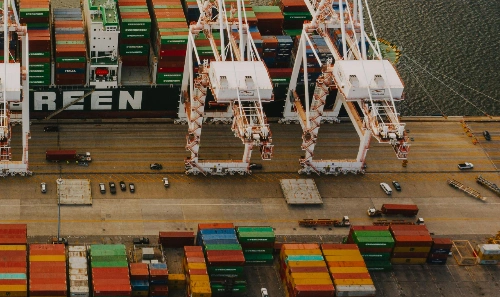
FCL vs LCL Shipping to Africa: Cost, Speed, and Cargo Risk Comparison

Compare Full Container Load (FCL) and Less than Container Load (LCL) shipping for Africa, including freight cost structure, consolidation timelines, cargo handling risk, flexibility, and when each option makes the most commercial sense.
Shipping Containers to Africa

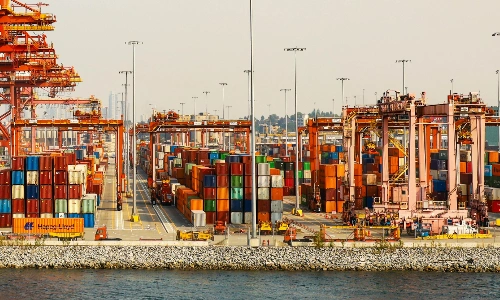
Major African Ports for Container Shipping: Transit, Congestion, and Delivery Planning

An overview of key African container ports and how port selection affects transit time, vessel routing, terminal congestion, customs processing, inland transport coordination, and total landed logistics performance.
Shipping Containers to Africa

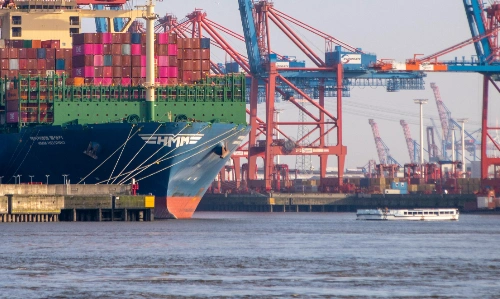
Transit Times to Africa: Carrier Schedules, Transshipment, and Delay Factors

Learn how container transit times to Africa are shaped by carrier schedules, transshipment hubs, vessel rotation, seasonal congestion, port delays, customs clearance timing, and destination handling conditions.

Explore More Insights

Shipping containers to Africa is not a one-step decision. Beyond container type and freight method, shipment performance is heavily influenced by African port conditions, transit schedules, customs documentation accuracy, Incoterms, and destination-side cost exposure. The articles in this section expand on these high-impact topics to help you build a more complete shipping plan before cargo moves.

Use these insights to compare options, reduce avoidable delays, and improve cost control across your Africa-bound logistics process. Whether you are planning a first shipment or refining an existing freight workflow, these guides are designed to give you clearer context on route selection, cargo handling risk, compliance requirements, and real-world operational variables.

Shipping Containers to Africa

Shipping Costs to Africa: Freight Rates, Terminal Charges, and Hidden Fees

Understand the full cost of shipping containers to Africa, including ocean freight, terminal handling charges (THC), customs-related costs, documentation fees, demurrage, storage, and inland haulage variables.

Shipping Containers to Africa

Customs Documentation for Shipping Containers to Africa

A clear guide to the main documents used in Africa-bound container shipping, including bill of lading, commercial invoice, packing list, certificate requirements, cargo declarations, and compliance checks.

Shipping Containers to Africa

Incoterms for Shipping to Africa: Responsibility, Cost Allocation, and Risk Transfer

Understand how Incoterms affect Africa shipments by defining who arranges freight, who pays for transport stages, and where responsibility and risk transfer between buyer and seller in international trade.

Shipping Containers to Africa

Common Mistakes When Shipping Containers to Africa and How to Avoid Them

A risk-focused guide covering common shipping mistakes such as incorrect documentation, poor packing, wrong container selection, unrealistic delivery timelines, underestimating destination charges, and weak freight planning.

How to Plan a Shipment to Africa in the Right Order

Step 1

Choose Cargo and Container Fit

Identify cargo dimensions, weight, packaging method, handling sensitivity, and storage needs to determine the most suitable container option (20ft, 40ft, high cube, reefer, or special equipment).

Step 2

Select the Right Freight Method

Compare FCL and LCL based on shipment volume, consolidation timing, transit urgency, cargo handling risk, and budget constraints.

Step 3

Review Port and Transit Feasibility

Assess African port routing, vessel schedules, transshipment points, congestion exposure, customs processing conditions, and inland delivery coordination.

Step 4

Estimate the Total Shipping Cost

Build a realistic cost model that includes ocean freight, terminal handling charges, documentation fees, customs-related costs, demurrage risk, storage, and inland haulage.

Step 5

Prepare Documentation and Incoterms

Confirm bill of lading data, commercial invoice, packing list, cargo declarations, certificate requirements, and Incoterms responsibilities before cargo dispatch.

Step 6

Check Common Failure Points

Review packaging quality, timeline assumptions, destination charges, handover responsibilities, and documentation accuracy to reduce preventable delays and extra cost.

Latest Shipping Insights and Planning Guides

image (12)

Shipping Containers to Africa

A practical starting point for understanding container shipping routes, freight planning priorities, cost drivers, documentation needs, and shipment risk across African trade corridors.

Shipping Containers to Africa

Shipping Costs to Africa: Freight Rates, Terminal Charges, and Hidden Fees

Understand the full cost stack of Africa-bound container shipments, including ocean freight, THC, customs-related expenses, storage, and inland transport variables.

Shipping Containers to Africa

Major African Ports for Container Shipping: Transit, Congestion, and Delivery Planning

Review how port selection affects transit reliability, congestion risk, customs processing flow, and inland delivery performance.

Written for Practical Shipping Decisions

author

Mitchell Lawson

Freight and logistics editorial writer focused on Shipping Containers to Africa
Mitchell Lawson writes practical, experience-led content on container shipping to Africa, with a focus on ports, freight costs, transit planning, customs documentation, Incoterms, and shipment risk control. His work is built to help importers, exporters, and logistics planners make better decisions before cargo moves.

Choose Where You Want to Start

If you are planning your first Africa-bound shipment, start with container selection and FCL vs LCL before comparing quotes. If you are already moving cargo, review costs, transit times, and customs documentation to improve reliability and reduce avoidable charges.

Move Africa-Bound Cargo With Better Planning, Clearer Data, and Fewer Costly Mistakes

©2026 Thisisourstory.com.au All rights reserved.